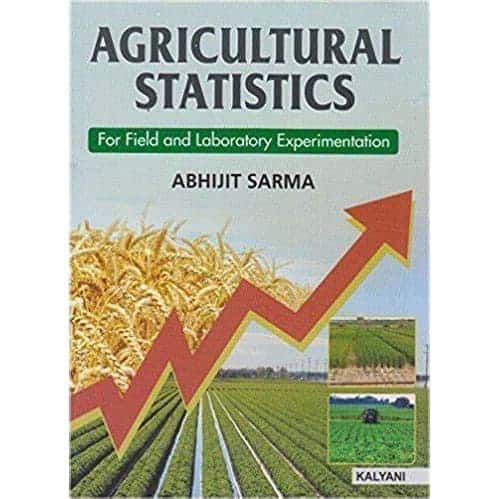
Agricultural Statistics For Field And Laboratory By Abhijit Sarma 2016 Paperback
$ 10.46
DescriptionNigerian agriculture is characterised by considerable regional and crop diversity. Analysis of this sector, particularly the food sub-sector, is fraught with serious data problems. However, the available statistics provide a broad overview of development in agriculture upon which we can make some broad generalisations about its role in economic development and structural change in Nigeria. In the 1960s, the agricultural sector was the most important in terms of contributions to domestic production, employment and foreign exchange earnings. The situation remained almost the same three decades later with the exception that it is no longer the principal foreign exchange earner, a role now being played by oil. The sector remained stagnant during the oil boom decade of the 1970s, and this accounted largely for the declining share of its contributions. The trend in the share of agriculture in the GDP shows a substantial variation and long-term decline from 60% in the early 1960s through 48.8% in the 1970s and 22.2% in the 1980s. Unstable and often inappropriate economic policies (of pricing, trade and exchange rate), the relative neglect of the sector and the negative impact of oil boom were also important factors responsible for the decline in its contributions. On its diversity, Nigerian agriculture features tree and food crops, forestry, livestock and fisheries. In 1993 at 1984 constant factor cost, crops (the major source of food) accounted for about 30% of the Gross Domestic Products (GDP), livestock about 5%, forestry and wildlife about 1.3% and fisheries accounted 1.2%